The problem: trust, when the exam hall disappears
High-stakes exams — certifications, admissions, recruitment and licensing — decide careers. As they moved to remote delivery, the physical invigilator disappeared and the burden of trust shifted onto software. A candidate at home, on their own device, is far harder to assure than one in a supervised hall.
The challenge was not to accuse, but to identify risk reliably and fairly, at the moment it happens, without drowning review teams in footage.
Vriti's approach: a computer-vision integrity layer
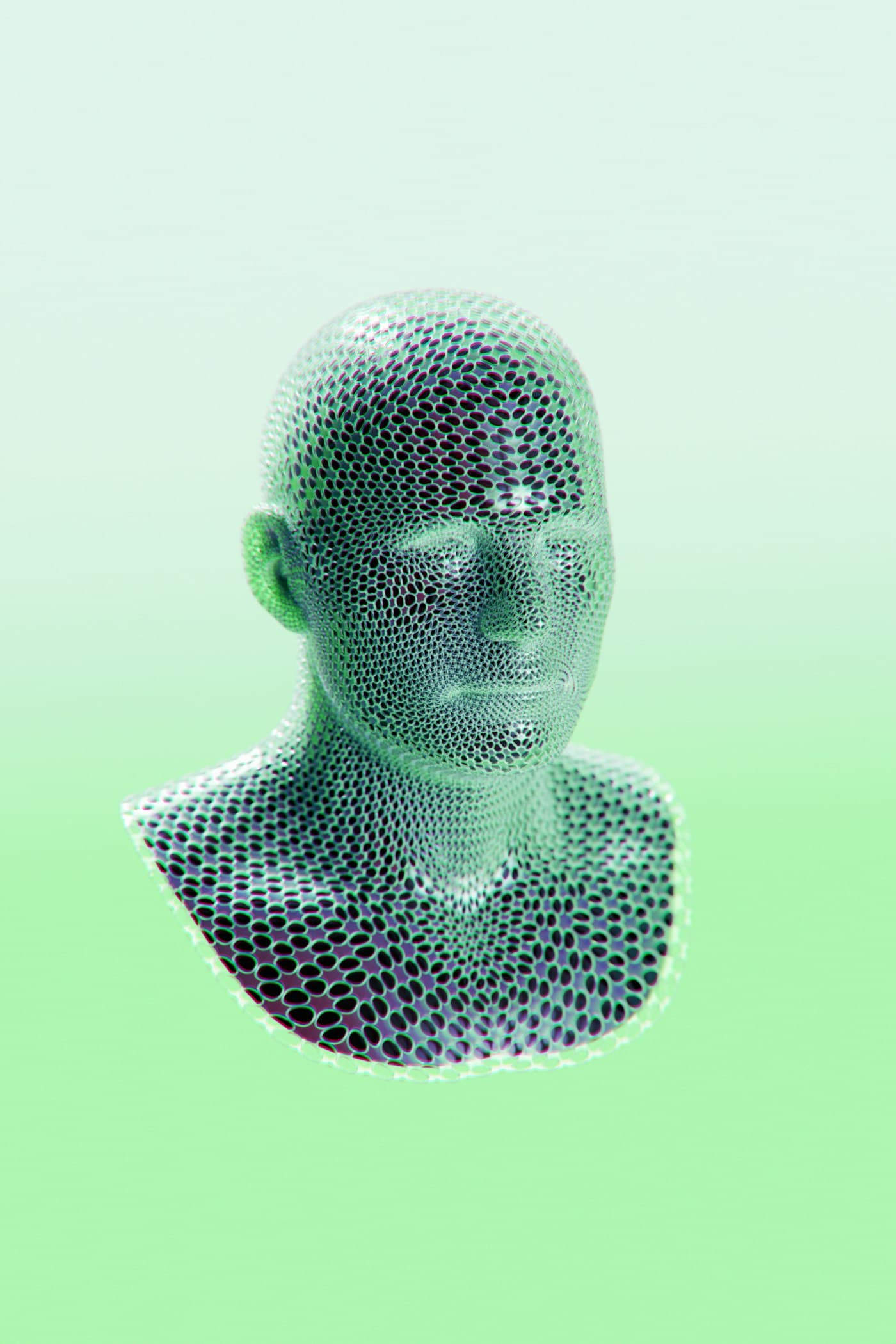
We built an AI layer that watches each session through the candidate's own camera and turns raw video into structured integrity signals in real time:
- Face presence and identity consistency through the session
- Gaze and head-pose patterns that indicate looking off-screen
- Multiple-person and unexpected-device detection in frame
- Session anomalies — absence, substitution, environment changes
Scaling it — and turning it into a product
Detecting risk on one stream is a model. Doing it for thousands of concurrent candidates, cost-efficiently and with an audit trail, is a platform. We engineered the pipeline to scale horizontally, keep per-session cost predictable, and preserve a defensible record for every flag.
The capability was then productised into a multi-tenant AI SaaS platform — so exam bodies and enterprises could run integrity-assured remote exams without building any of the AI themselves.